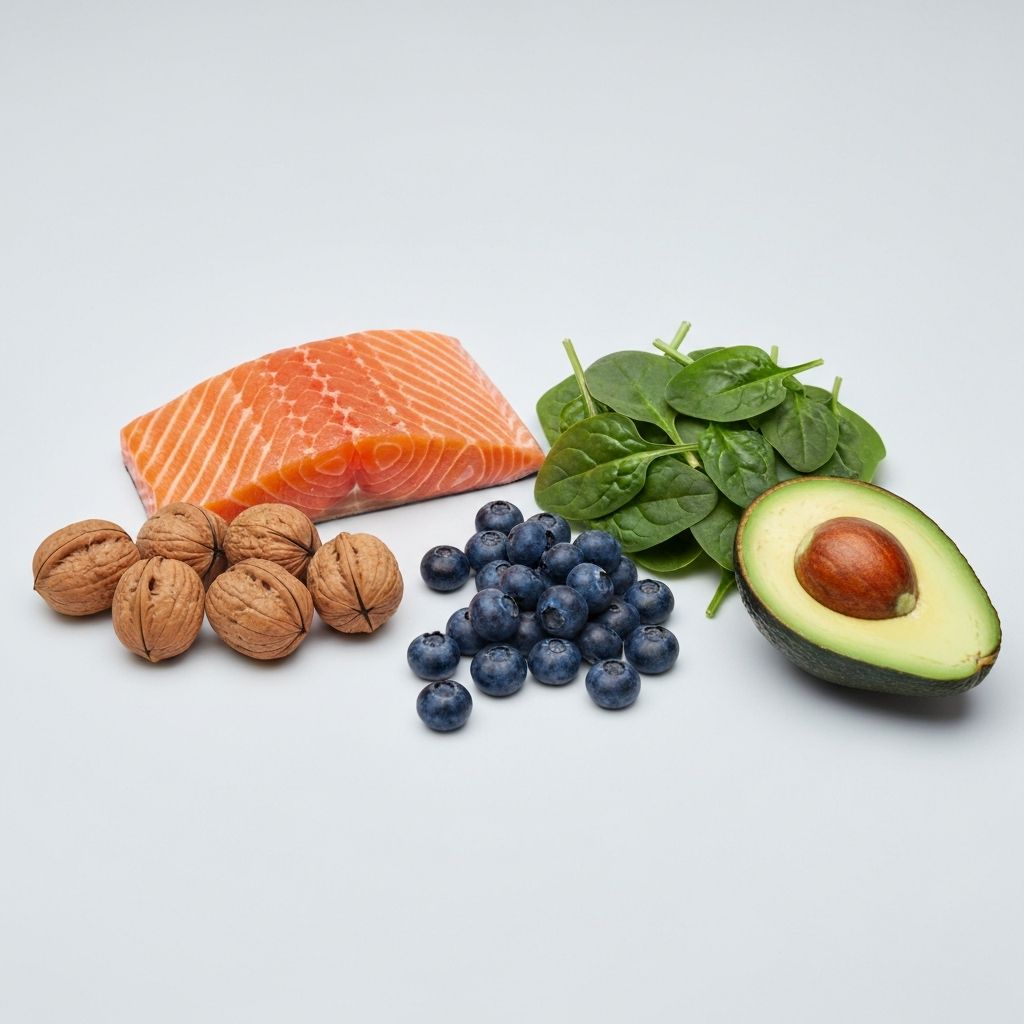
Fresh salmon representing omega-3 rich foods

Natural Brain Nutrition

Nutrition plays a fundamental role in maintaining normal cognitive processes and energy supply to neurons. This resource provides educational information about natural food sources of essential nutrients that support brain function in adult males.

The following information is presented for educational purposes only. It explains the scientific basis of nutrient roles in brain activity and everyday food sources of these compounds.

Educational content only. No promises of outcomes.
Cognitive Function and Nutrient Role

The brain relies on multiple nutrient compounds to maintain energy production and support neural communication. Different micronutrients and macronutrients participate in various metabolic pathways essential for normal cognitive processes.

Understanding these roles helps explain why a varied diet containing multiple food sources contributes to overall health maintenance.

Key Nutrients for Brain Function

Nutrient Role in Brain Activity Natural Food Sources
Omega-3 Fatty Acids (DHA, EPA) Support neural membrane structure and cell communication Fatty fish, walnuts, flaxseeds
Antioxidants (Anthocyanins, Vitamin C) Help manage oxidative stress in neural tissue Berries, dark leafy greens, citrus
B Vitamins Essential for energy metabolism and neurotransmitter synthesis Eggs, whole grains, legumes, leafy greens
Choline Precursor for acetylcholine, involved in neural signaling Eggs, fish, broccoli, Greek yogurt
Magnesium Supports neural energy production and transmission Seeds, nuts, leafy greens, whole grains
Water (Hydration) Essential for nutrient transport and cellular function Water, naturally hydrating foods

Primary Food Categories

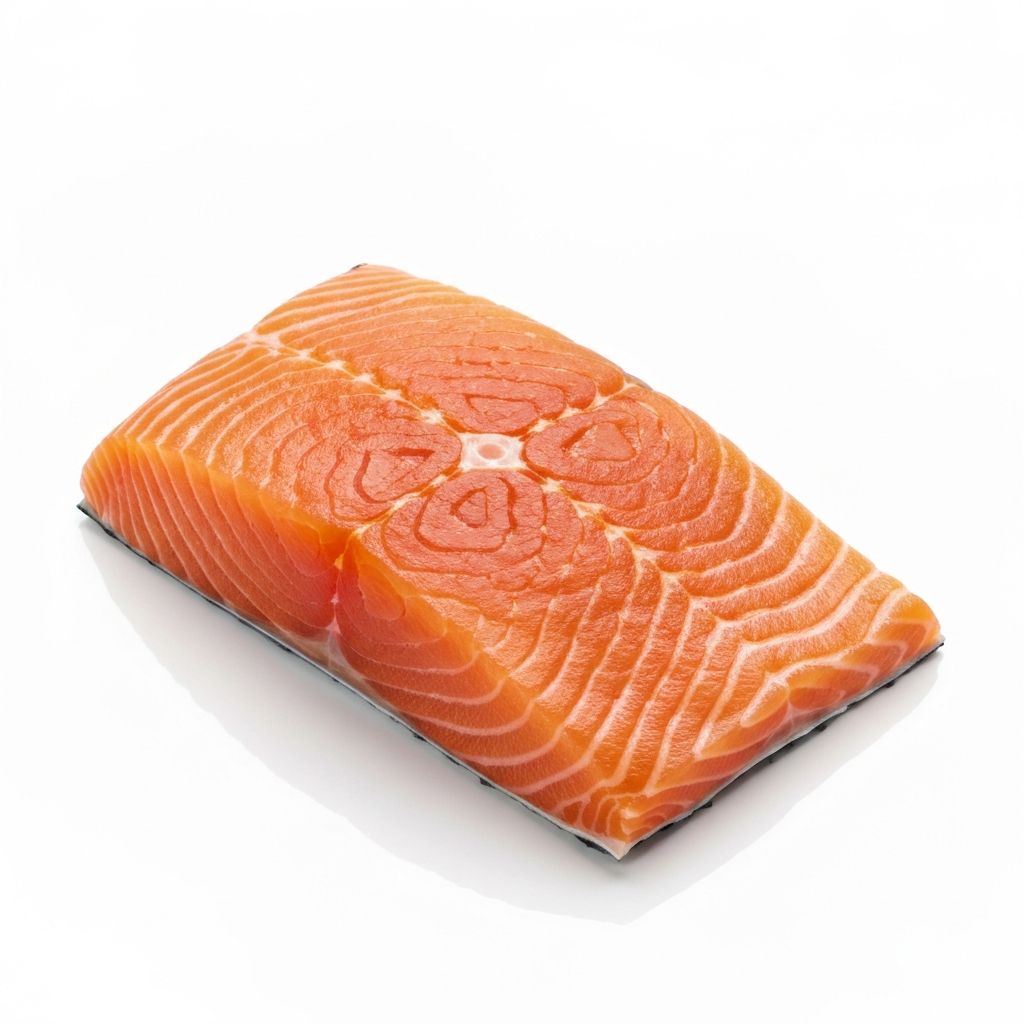
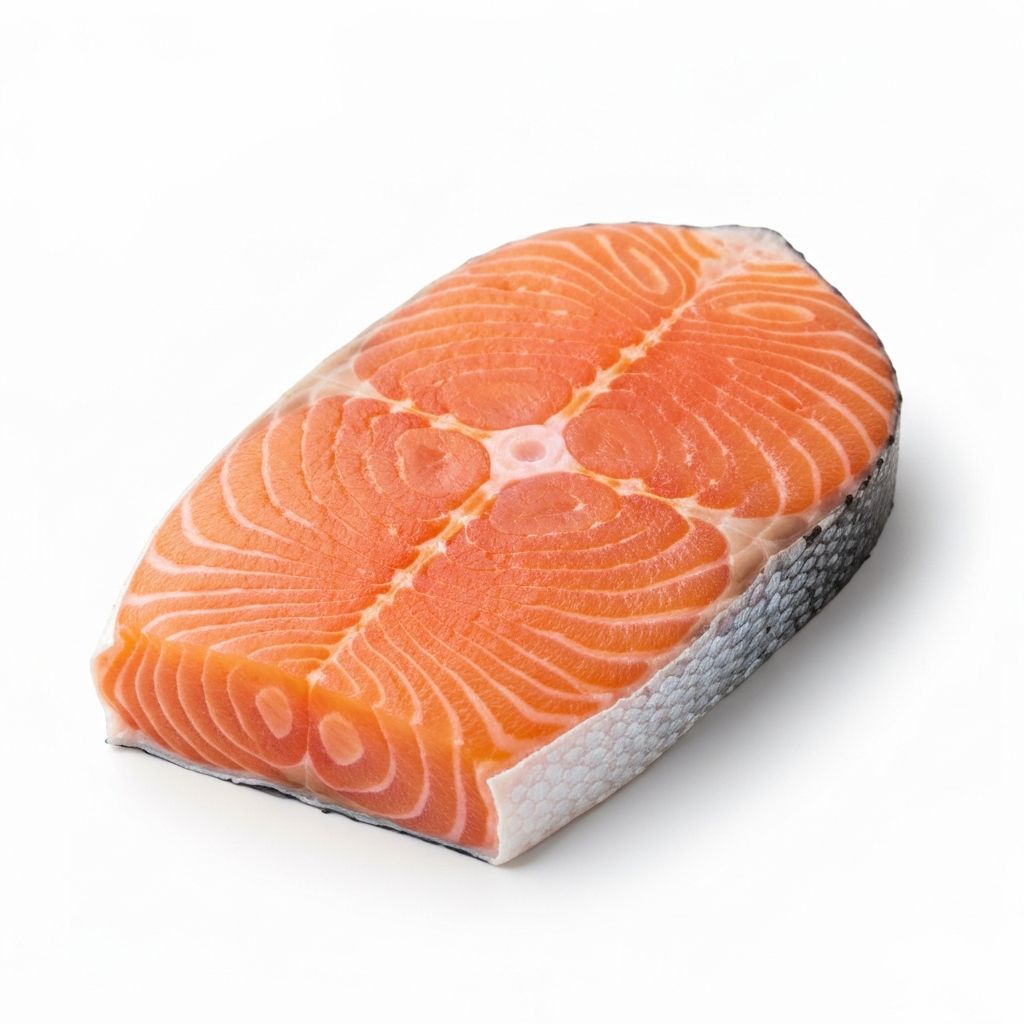
Fresh salmon fillet

Fatty Fish (Salmon)

Rich source of omega-3 fatty acids, particularly DHA and EPA, which form structural components of neural membranes and support cell communication processes.

Whole walnuts

Walnuts

Contain plant-based omega-3 acids, antioxidants, and vitamin E, contributing to the variety of nutrients available from plant sources.

Fresh blueberries

Blueberries

Rich in anthocyanins and vitamin C, these berries provide antioxidant compounds that participate in cellular protection mechanisms.

Omega-3 Fatty Acids

Omega-3 fatty acids, particularly docosahexaenoic acid (DHA) and eicosapentaenoic acid (EPA), form essential components of neuronal cell membranes. These polyunsaturated fats support the structural integrity of neurons and facilitate communication between brain cells.

Natural omega-3 food sources including salmon

Primary sources include fatty fish varieties, certain seeds, and nuts. Different sources provide omega-3s in varying forms and concentrations, reflecting the importance of dietary variety.

Antioxidant Compounds

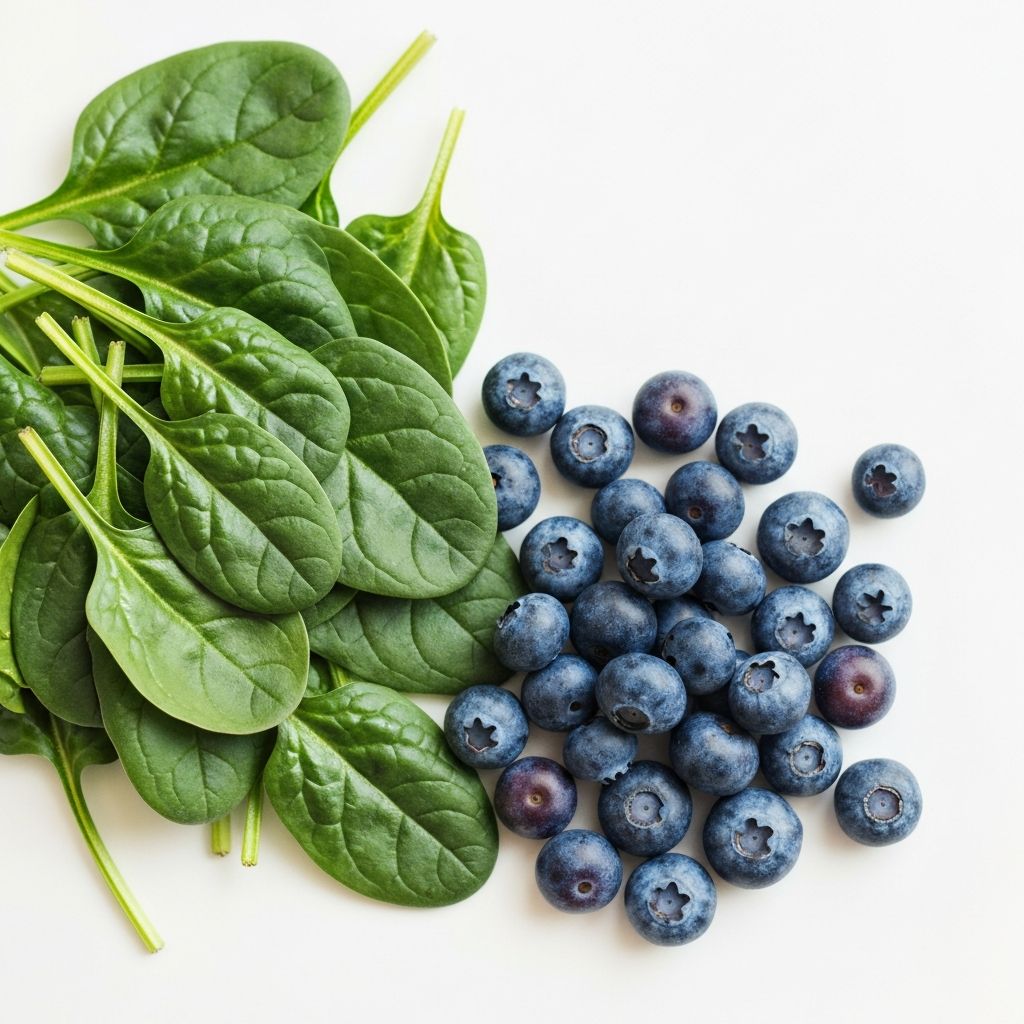
Antioxidants represent a broad category of compounds including anthocyanins, flavonoids, and vitamins C and E. These substances participate in managing oxidative processes within neural tissue. Oxidative stress represents a natural consequence of cellular metabolism that antioxidant compounds help manage.

Antioxidant rich foods - blueberries and spinach

Foods rich in antioxidants include berries, dark leafy greens, nuts, and many colorful vegetables. Scientific literature documents their presence in these foods and their roles in antioxidant defense systems.

B Vitamin Complex

The B vitamin group comprises multiple compounds essential for energy metabolism. B vitamins including B6, B12, folate, and thiamine participate in neural energy production and neurotransmitter synthesis. These vitamins function as coenzymes in numerous metabolic pathways.

Each B vitamin serves distinct functions: thiamine supports energy metabolism, niacin contributes to cellular energy transfer, B6 participates in amino acid metabolism and neurotransmitter formation, and B12 supports myelin formation and neuronal communication.

Natural sources include eggs, whole grains, legumes, and dark leafy vegetables, providing these vitamins through everyday food consumption.

Choline and Acetylcholine

Choline serves as a precursor to acetylcholine, a neurotransmitter essential for neural signaling and cellular communication. The body can synthesize some choline, yet dietary sources provide significant amounts of this compound.

Choline rich foods including eggs and leafy greens

Eggs represent particularly rich choline sources, containing substantial amounts of free choline and phosphatidylcholine. Other sources include fish, broccoli, and dairy products like Greek yogurt. This nutrient demonstrates the value of including diverse protein sources in daily nutrition.

Magnesium for Neural Support

Magnesium functions as a cofactor in over three hundred enzymatic reactions within the body, including numerous processes in neural tissue. This mineral supports energy production at the cellular level and participates in neural signal transmission.

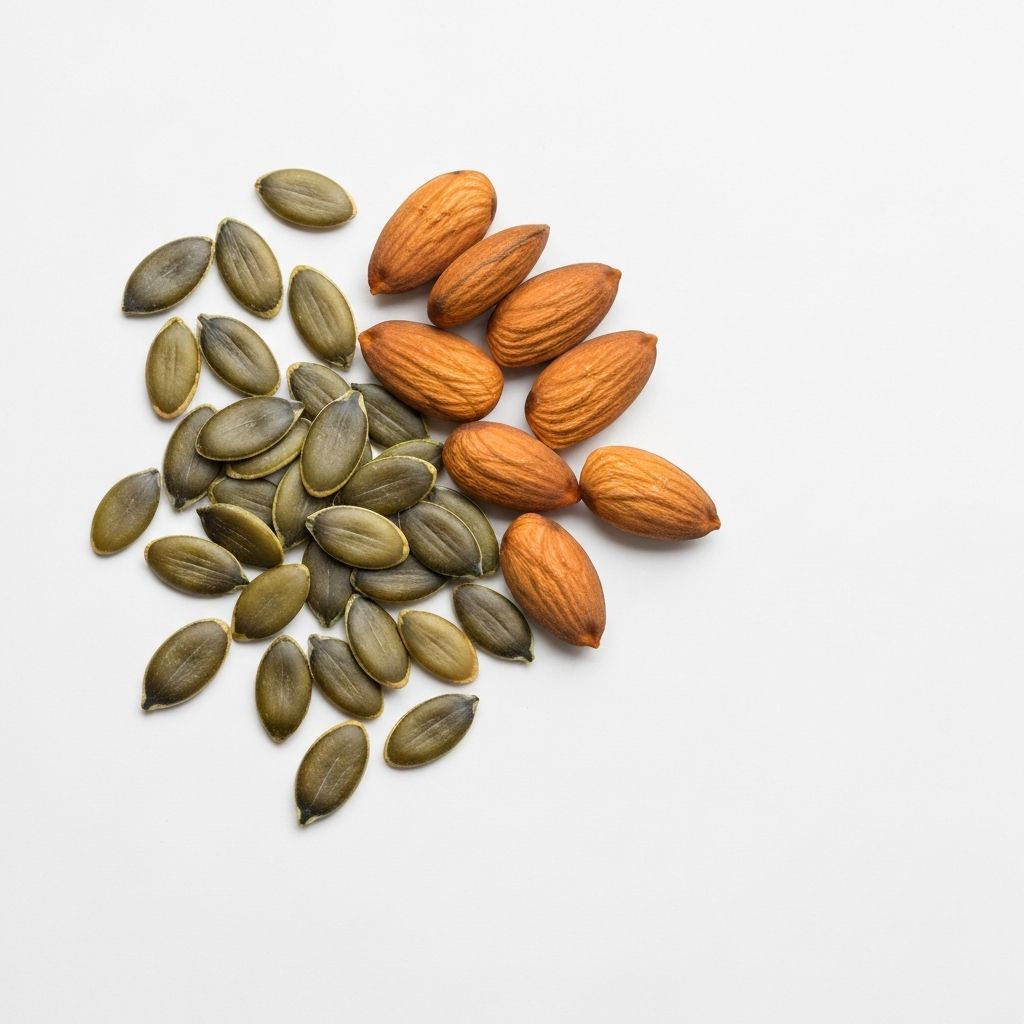
Magnesium rich seeds and nuts

Seeds and nuts provide concentrated sources of magnesium. Pumpkin seeds, almonds, and sunflower seeds contain particularly high magnesium concentrations. These foods also provide protein, healthy fats, and additional micronutrients.

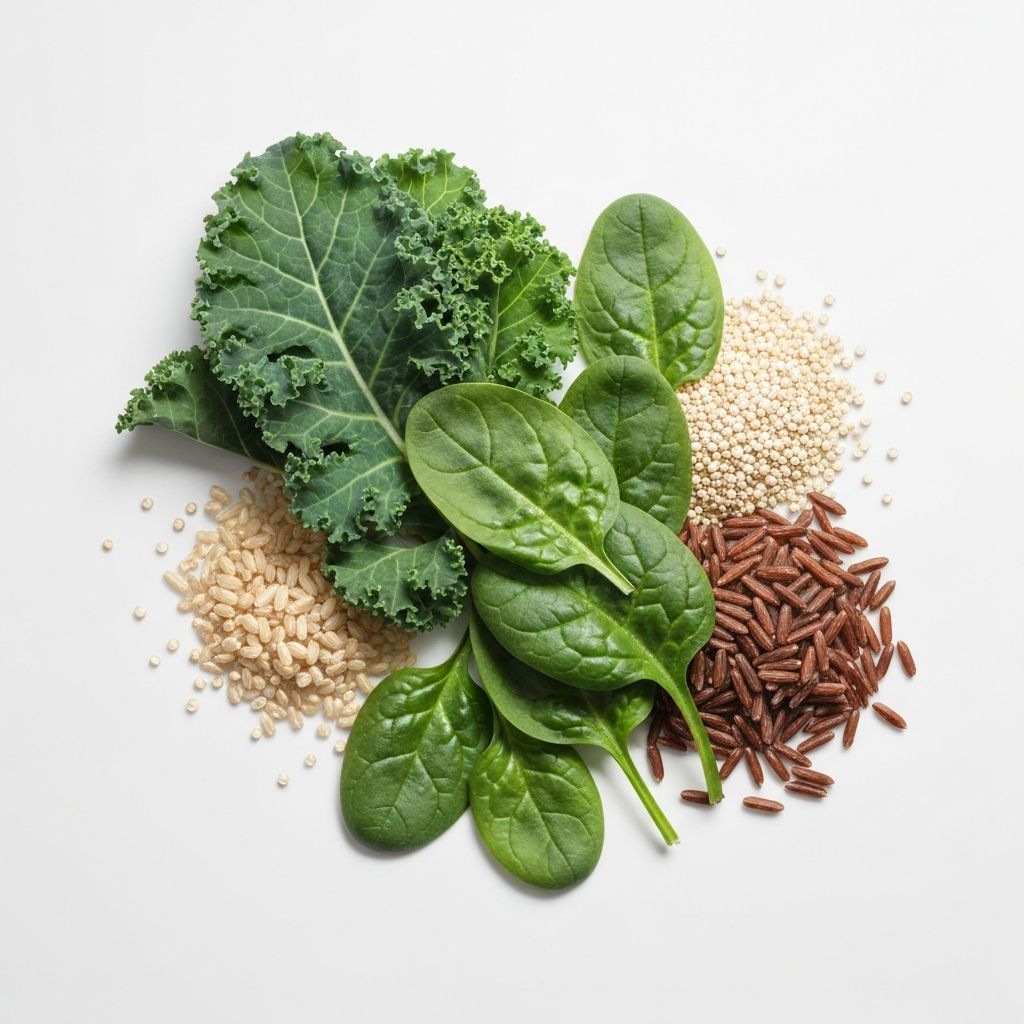
Leafy green vegetables including spinach, kale, and Swiss chard contain significant magnesium bound to chlorophyll molecules. Whole grains and legumes provide additional magnesium sources, supporting the concept that dietary variety ensures adequate micronutrient intake.

Dark leafy greens and whole grains

Hydration and Cognitive Function

Water comprises approximately 75 percent of brain tissue and participates in every biochemical process within neural cells. Adequate hydration maintains blood volume, ensures nutrient transport, and supports waste removal from neural tissue.

Dehydration can temporarily affect cognitive performance, demonstrating the fundamental importance of fluid balance. Water serves as the primary medium for all metabolic processes, making it an essential "nutrient" in its own right.

Beyond pure water, many foods contribute to hydration status. Fruits and vegetables with high water content, herbal teas, and other beverages contribute to daily fluid intake.

Nutrient Variety and Dietary Approach

No single food provides all necessary nutrients. The brain benefits from a varied diet containing multiple food sources, allowing access to diverse nutrient profiles. Different foods contain different nutrient ratios and additional compounds not yet fully characterized.

Diverse natural foods representing nutritional variety

Rotating food sources and consuming different varieties of vegetables, proteins, and whole foods ensures exposure to a broad spectrum of nutrients and bioactive compounds. This approach to eating reflects the complexity of human nutrition and the brain's diverse nutrient requirements.

Daily Nutrient Consumption Context

Individual nutrient needs vary based on age, activity level, overall health status, and genetic factors. No standardized "optimal" amount applies universally to all adult males.

Dietary guidelines and recommended daily allowances (RDAs) provide general reference values based on scientific research. These figures represent median requirements but do not account for individual variation.

Real-world nutrition occurs through eating patterns and food combinations rather than isolated nutrient intake. The synergistic effects of multiple compounds within whole foods often differ from isolated nutrient supplementation.

Scientific Context of Brain Nutrition

Neuroscience research documents the roles of various nutrients in neural function through multiple experimental approaches. Cell culture studies, animal models, and human epidemiological research all contribute to our understanding of nutrition-brain relationships.

Peer-reviewed scientific literature contains extensive documentation of nutrient roles in neural metabolism, signal transmission, and cellular protection mechanisms. This body of research forms the foundation for understanding how foods influence brain function.

It is important to note that laboratory studies often employ concentrations or conditions that may not directly correspond to real-world food consumption patterns.

Information Disclaimer

This website provides educational information about nutrient roles in brain function and natural food sources of these compounds. The content is informational in nature and does not constitute medical advice, professional recommendations, or individual health guidance.

This information does not replace consultation with qualified healthcare professionals, clinical assessment, or individual medical evaluation. Individual nutritional needs vary based on personal health status, medical history, and specific circumstances.

No claims are made regarding outcomes, benefits, or effects on individual cognitive function. The information presented explains general scientific concepts rather than making promises about personal results.

Learn More About Brain Nutrition

Explore more information about specific nutrients, food sources, and the scientific basis of nutrition for neural function.

Learn More Details